
Building the Future of Smart Agriculture: Timothy Hoàng's Vision for Building an Intelligent Agricultural Ecosystem for Communities
As climate change, rapid population growth, and increasing pressure on global food security continue to pose significant challenges, developing sustainable agriculture is no longer an option—it has become an urgent necessity. For entrepreneur Timothy Hoàng, the solution extends beyond technology alone. It lies in integrating technological innovation with education, affordable housing, and sustainable livelihoods to create a holistic ecosystem that empowers individuals, strengthens communities, and enables long-term self-reliance and prosperity.

Through the Hoang Family Foundation, since 2020, Timothy Hoàng has shared his vision with chapters, charitable organizations, and nonprofit foundations around the world by introducing the "Building the Future of Smart Agriculture" initiative. The model presents a comprehensive community development solution that integrates smart agriculture, affordable Tiny Homes, IoT technology, circular farming systems, and global funding. Its ultimate goal is not only to provide families with safe and affordable housing but also to equip them with sustainable income-generating opportunities, empowering them to achieve long-term self-reliance.
Sustainable Charity Begins with Empowerment
According to Timothy Hoàng, many humanitarian aid programs today primarily focus on providing food, financial assistance, or temporary housing. While these forms of support are essential during emergencies, they often fail to address the root causes of poverty. Without sustainable livelihood opportunities, many families eventually fall back into the same cycle of hardship.
That is why the model he proposes embraces a different approach—one centered on building a self-sustaining development ecosystem. Rather than simply offering aid, it provides families with the resources, training, and opportunities they need to establish stable livelihoods, develop practical skills, and generate long-term income.
As Timothy Hoàng shared, “Give a man a fish you feed him for a day, teach him to fish you feed him for life” as Global Citizens, I truly believe in Lao Tzu quote, founder of Taoism.
For Timothy Hoàng, this is more than a charitable initiative. It is a long-term investment in people, communities, and a future where individuals are empowered to create lasting change for themselves and future generations.
Smart Agriculture – Building the Future of Agriculture
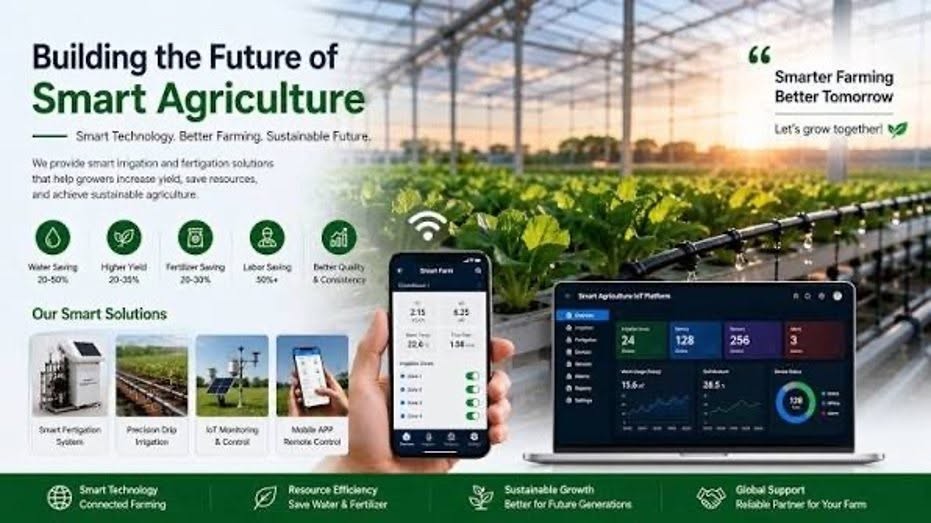
At the heart of the initiative is Smart Agriculture—an innovative farming approach that leverages digital technologies to optimize every stage of agricultural production.
Rather than relying solely on traditional experience, farmers can make informed decisions based on real-time data collection and analysis. According to the model shared by Timothy Hoàng, the adoption of Smart Agriculture offers a wide range of practical benefits, including:
- Significant water savings through efficient irrigation.
- Higher crop yields and improved productivity.
- More efficient use of fertilizers and natural resources.
- Reduced labor costs through automation and precision farming.
- Increased operational efficiency and farm profitability.
- Minimized environmental impact through sustainable resource management.
By integrating technology with agricultural practices, Smart Agriculture provides a solid foundation for building a farming system that is not only more productive and efficient but also environmentally sustainable and resilient for the future.
Powered Soil Intelligence – Using Data to Understand Soil Health
One of the core technologies behind the initiative is Powered Soil Intelligence. Rather than relying solely on visual observation, the system utilizes IoT-enabled sensors to monitor more than 30 soil parameters in real time, including:
- Soil moisture
- pH levels
- Nutrient content
- Soil temperature
- Electrical conductivity (EC)
- Water retention capacity
- Overall soil health and quality
This data is further integrated with satellite imagery and advanced analytics platforms, enabling farmers to identify precisely where irrigation, fertilization, or nutrient adjustments are needed.
By transforming raw data into actionable insights, Powered Soil Intelligence allows farmers to make more accurate decisions, reduce input costs, optimize resource utilization, and preserve soil health for long-term agricultural sustainability.
Precision Farming – From Drones to Data-Driven Precision Agriculture
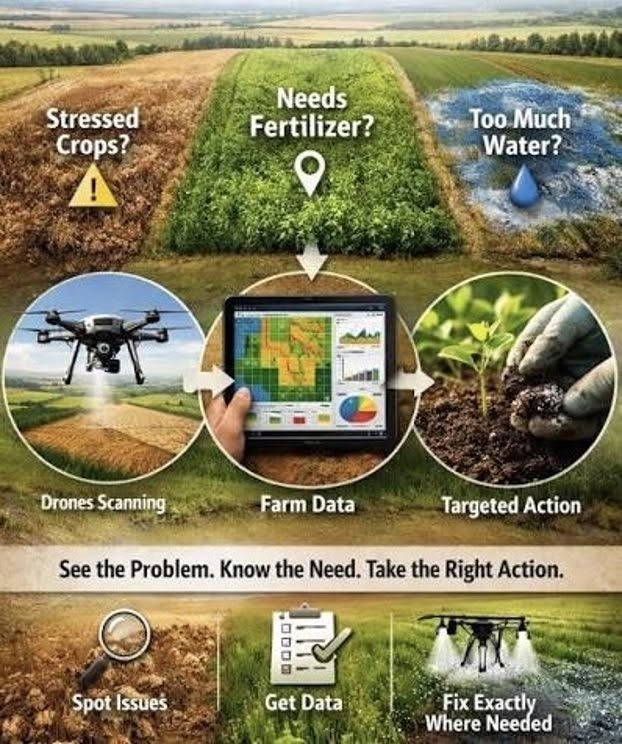
Another key component of the initiative is the Precision Farming Workflow, a technology-driven approach designed around a simple yet powerful cycle: Drone → Data → Targeted Action. Using unmanned aerial vehicles (UAVs), or drones, the system conducts comprehensive aerial surveys of farmland to capture high-resolution images and field data. This information is then processed by artificial intelligence (AI) to generate actionable insights, including:
- Early detection of pests and crop diseases.
- Identification of water-stressed areas.
- Assessment of fertilizer and nutrient requirements.
- Continuous monitoring of crop growth and field conditions.
Based on these insights, farmers can apply water, fertilizers, or crop protection treatments only where they are needed, rather than across the entire field. This precision approach not only reduces operational costs and minimizes the use of agricultural chemicals but also improves productivity while supporting environmentally sustainable farming practices.
Integrated Aquaculture System – A Circular Farming Ecosystem for Sustainable Food Production
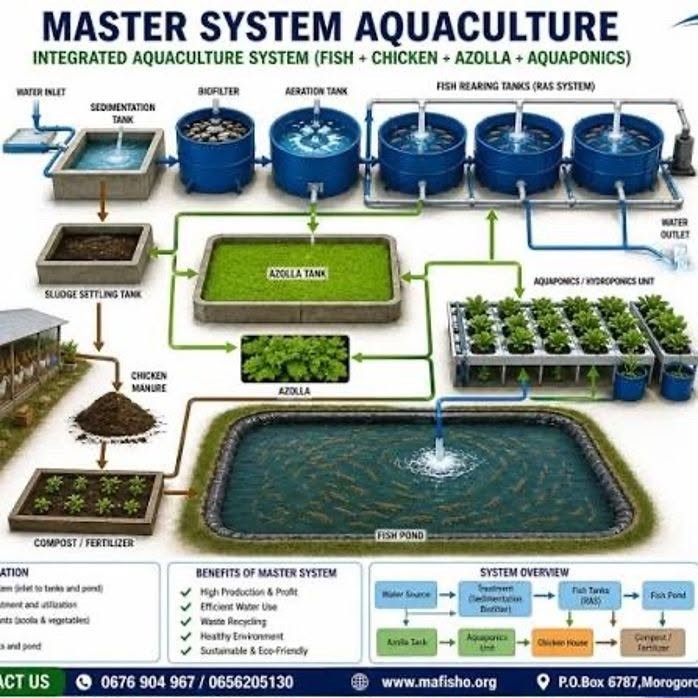
In addition to crop cultivation, kTimothy Hoàng introduces the Integrated Aquaculture System—also referred to as the Master System Aquaculture—a closed-loop farming model that combines multiple agricultural components into one sustainable ecosystem, including:
- Fish farming
- Poultry farming (chickens)
- Azolla cultivation
- Aquaponics
- Biological ponds
- Natural water filtration systems
The system is designed around the principles of a circular economy, where every component supports and benefits the others. Fish waste serves as a natural fertilizer for plants, while the plants help filter and purify the water before it is recirculated back into the fish ponds.
At the same time, Azolla, a fast-growing aquatic fern, is used as a nutritious natural feed for both fish and poultry, helping reduce feed costs by 20–30%. Chicken manure, in turn, provides valuable nutrients that enhance pond productivity and support the overall ecosystem.
By creating this self-sustaining cycle, the Integrated Aquaculture System minimizes waste, lowers production costs, improves resource efficiency, and increases farm profitability. More importantly, it demonstrates how sustainable farming practices can simultaneously enhance food production, protect the environment, and create long-term economic opportunities for farming communities.
Sustainable Farm Ecosystem – Building a Self-Sustaining Green Farm
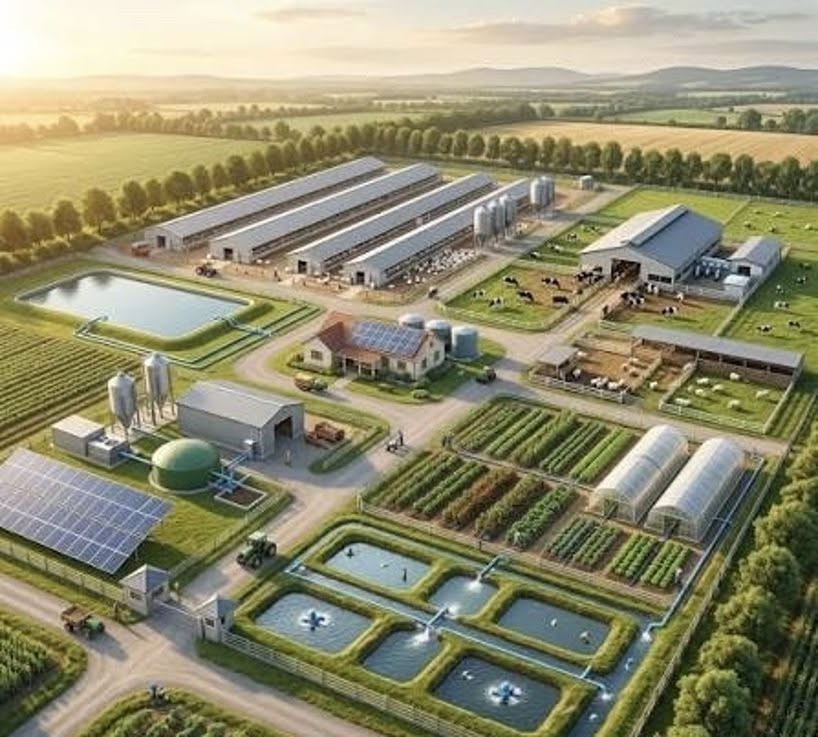
According to Timothy Hoàng, a truly sustainable farm is more than a collection of crops and livestock—it is a fully integrated ecosystem where every component works together to maximize efficiency, minimize waste, and promote environmental stewardship.
His proposed Sustainable Farm Ecosystem incorporates a range of renewable and resource-efficient solutions, including:
- Solar energy systems
- Biogas production
- Aquaculture ponds
- Greenhouses
- Livestock facilities
- Vegetable gardens
- Water recycling and reuse systems
- Organic waste management and composting
Each element plays a vital role in creating a closed-loop agricultural system. Renewable energy reduces dependence on fossil fuels, organic waste is converted into valuable resources, water is recycled whenever possible, and every by-product is repurposed to support another part of the farm.
This integrated approach not only lowers operating costs and reduces greenhouse gas emissions but also strengthens the farm's long-term resilience. By maximizing resource efficiency and minimizing environmental impact, the Sustainable Farm Ecosystem reflects the growing global movement toward climate-smart agriculture and serves as a practical model for the future of sustainable food production.
Smart Irrigation Technology – Advancing Water Efficiency Through Intelligent Irrigation
As freshwater resources become increasingly scarce in many parts of the world, efficient water management has become a critical priority for modern agriculture. Recognizing this challenge, Timothy Hoàng identifies Smart Irrigation Technology as a key component of his integrated Smart Agriculture ecosystem.
The system incorporates advanced irrigation solutions, including Center-Pivot Irrigation, combined with real-time data from IoT sensors and analytics platforms to accurately determine the water requirements of different areas within a field. Rather than applying water uniformly across an entire farm, the system delivers the right amount of water, at the right place, and at the right time, ensuring optimal growing conditions while minimizing waste.
Key benefits of Smart Irrigation Technology include:
- Significant water conservation through precision irrigation.
- Reduced energy consumption and lower operating costs.
- Improved nutrient absorption by crops.
- Higher crop yields and overall productivity.
- Reduced soil erosion and healthier soil conditions.
By integrating intelligent irrigation with data-driven farm management, this technology enhances both agricultural efficiency and environmental sustainability. It represents an important solution for helping farmers adapt to climate change while safeguarding one of the world's most valuable natural resources—water.
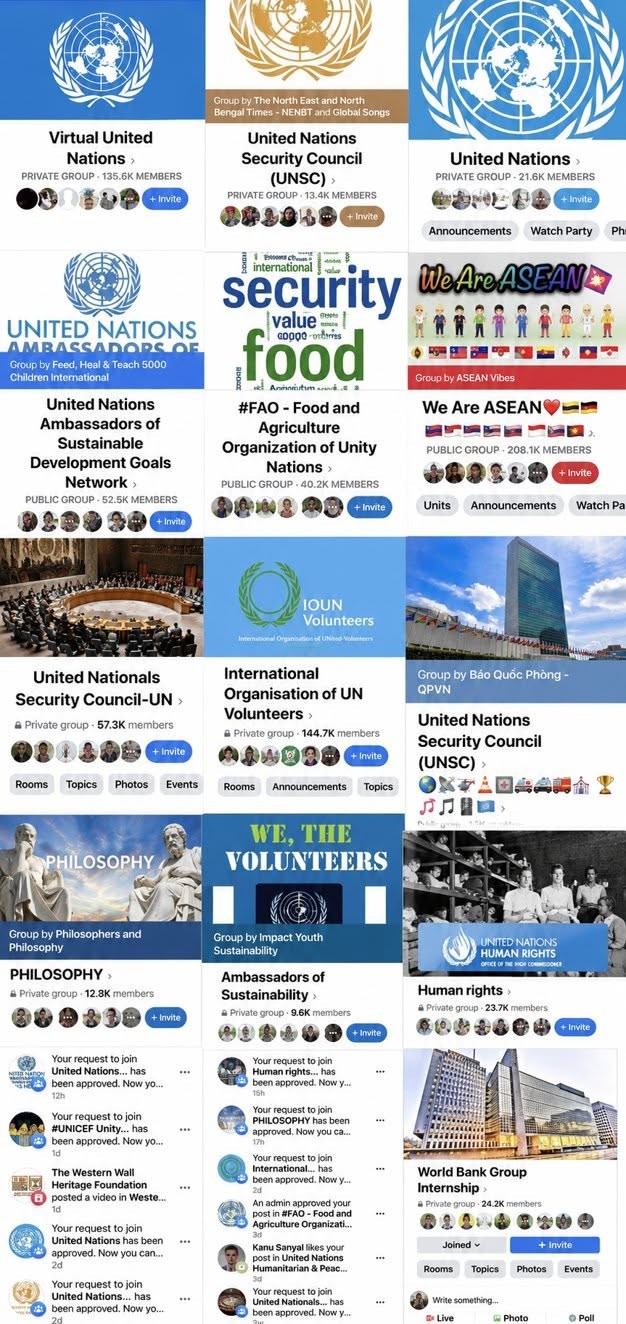
Since its introduction, the "Building the Future of Smart Agriculture" initiative has attracted growing interest from organizations, communities, and individuals committed to sustainable development. Across online platforms, many participants have actively connected, requested to join discussion groups, and expressed a strong interest in learning more about the model and its potential applications. This growing engagement reflects the increasing international recognition of innovative solutions that integrate technology, smart agriculture, and sustainable livelihood development to create lasting social impact.
Tiny Home – Affordable Housing Integrated with Sustainable Livelihoods
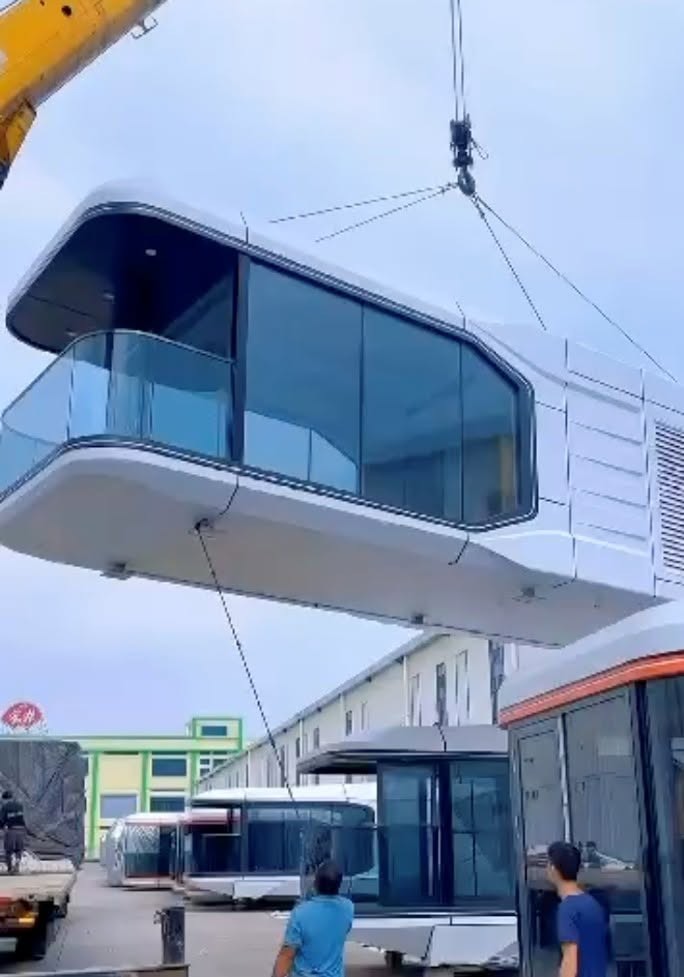
Beyond smart agriculture, Timothy Hoàng also integrates the Tiny Home concept into the entire production ecosystem. According to him, building a house is only truly meaningful when families have the ability to generate a stable income to support their lives. Each Tiny Home, with an estimated cost of approximately USD 15,000, is designed alongside essential livelihood components, including a fish pond, a vegetable garden, a greenhouse, solar energy systems, biogas facilities, and dedicated spaces for small-scale family farming and production.
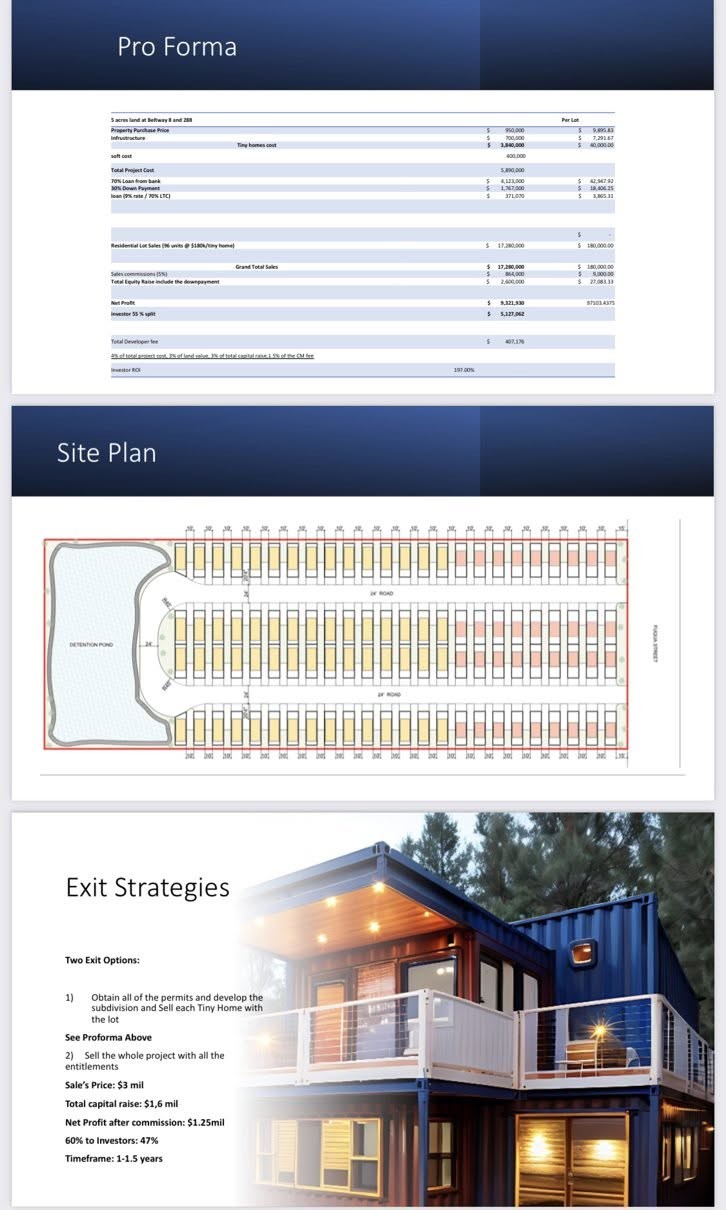
To demonstrate the project's practical feasibility, Timothy Hoàng has also developed a comprehensive blueprint that includes a Site Plan, Pro Forma financial projections, and Exit Strategies. These planning documents outline community layouts, investment structures, and implementation pathways, reflecting a model designed not only with sustainability in mind but also with real-world scalability and long-term viability.
This integrated approach enables families not only to secure safe and affordable housing but also to develop sustainable economic opportunities right where they live, creating a strong foundation for long-term self-reliance and community resilience.
Global Funding – A Collaborative Approach to Sustainable Community Development
To bring this vision to life, Timothy Hoàng believes that meaningful collaboration is essential. He emphasizes the importance of partnerships among governments, impact investment funds, nonprofit organizations, and international donors to create a scalable and sustainable development model.
He proposes a four-phase implementation framework. Phase One focuses on providing initial capital to build a Tiny Home along with a small fish pond or greenhouse, with an estimated investment of USD 3,000 to USD 8,000 per family, depending on local conditions. Phase Two provides working capital for the first production cycle, covering fingerlings, seeds, and feed. This funding would be repaid from future sales at zero percent interest, allowing families to establish their livelihoods without the burden of financial pressure.
In Phase Three, investment shifts toward public infrastructure, including cold storage facilities, transportation networks, and wholesale distribution centers, enabling families to access markets more efficiently and reduce post-harvest losses. Phase Four begins after approximately 18 to 24 months, once participating families have achieved a stable income. At this stage, they gradually assume ownership of the model while paying a modest land lease, allowing the original funding to be recycled and reinvested to support the next group of families.
According to Timothy Hoàng, this phased approach enables Global Funding to generate long-term, sustainable social impact rather than providing only short-term assistance. By creating a self-replenishing development model, each successful family helps make it possible for another family to begin the same journey toward self-reliance and economic independence.

GREEN LEAFS – Planting the Seeds of Self-Reliance
Timothy Hoàng calls his vision GREEN LEAFS—a symbol of sustainable growth, environmental responsibility, and the ability of communities to build a better future through self-reliance. The initiative is built on the belief that lasting change comes not from temporary aid, but from empowering people with the skills, resources, and opportunities to create sustainable livelihoods.
The model offers several practical benefits:
- People develop marketable skills in agriculture and aquaculture instead of relying solely on charitable assistance.
- It addresses two fundamental needs simultaneously—housing and employment.
- Families can generate income quickly, with leafy vegetables ready for harvest in 30–45 days and tilapia or catfish reaching market size in 4–6 months.
- The model benefits both urban and rural communities by supplying fresh food while creating sustainable income opportunities.
To bring the vision to life, Timothy Hoàng proposes pilot projects involving approximately 20 families, supported by a community pond and individual micro-plots. The program would include Soil Intelligence training in partnership with agricultural universities and establish purchasing agreements with supermarkets and institutional buyers. Based on preliminary estimates, a 100-square-meter fish pond and a 200-square-meter vegetable garden could generate approximately USD 150–400 in monthly net income, helping families move toward long-term financial independence.
Towards a Future Where Technology Serves Humanity
For Timothy Hoàng, the future of agriculture is not defined solely by digitalized farmland or cutting-edge technologies. Instead, it is about creating a connected ecosystem where people, technology, the environment, and communities work together to achieve long-term sustainability.
Through the Building the Future of Smart Agriculture initiative, he envisions communities that are self-reliant in housing, employment, and food production. In this vision, technology is not an end in itself, but a powerful tool for improving quality of life, while global resources and partnerships are leveraged to create lasting social and economic value.
The message, "Connected Farming – Sustainable Growth – Global Support," embodies this vision. It reflects a commitment to building an interconnected agricultural ecosystem that promotes sustainable growth through international collaboration, ensuring that every investment made today becomes the foundation for a greener, more resilient, and more prosperous future for generations to come.
Minh Sơn